
Two Contractors Fatally Injured at Norfolk International Terminals
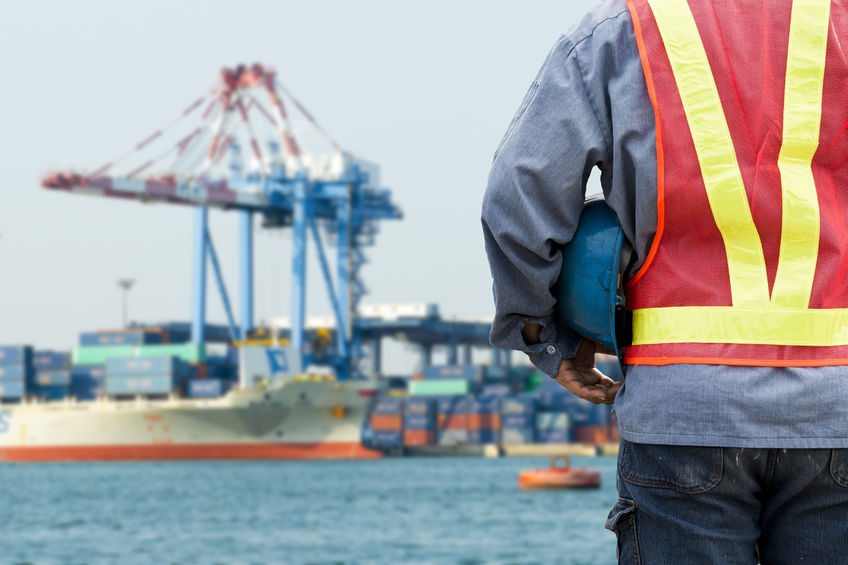
Two workers died following an incident at Norfolk International Terminals, one of the busiest cargo facilities on the East Coast. The exact date and time of the incident have not been publicly released.
According to 13News Now, both were employees of a marine construction contractor, and the incident happened at the company’s job site at the terminal. As of this writing, the company has not said what happened and has not released the workers’ names. The Virginia Port Authority had not responded to reporters’ questions.
Our hearts are with the families, friends, and coworkers of these two workers. Hampton Roads is a waterfront community, and many of us know someone who earns a living on the piers, wharves, and barges that keep this region running. A loss like this is felt far beyond one job site.
We don’t know how this incident happened, and we won’t guess. But we’ve spent decades representing injured maritime workers and grieving families caused by negligence, and we know one question comes up again and again in cases like this: Was this preventable, and was someone else responsible?
“It Happened at Work” Doesn’t Mean No One Is Responsible
When a worker is hurt or killed on the job, families often assume that workers’ compensation is the only option. Workers’ comp generally covers claims against the employer, but it often isn’t the whole story. That’s especially true on the waterfront, where companies, vessels, and pieces of heavy equipment are frequently working in the same space.
When someone other than the employer failed to act with reasonable care, and that failure caused a serious injury or death, the injured worker or the family may have a separate negligence claim. Unlike workers’ comp, a negligence claim can seek compensation for the full scope of the loss.
Who Can Be Responsible in a Waterfront Accident?
Every case turns on its own facts. In general, though, negligence claims after port and marine construction accidents may involve:
- Other contractors and subcontractors: Large port projects often have multiple companies on site at once. When one company’s unsafe practices, poor coordination, or careless operation of equipment injures another company’s worker, that company may be held responsible.
- Vessel owners and operators: Barges, tugs, crane barges, and work boats are common on marine construction sites. When a worker is hurt because of a vessel’s unsafe condition or the actions of its crew, federal maritime law may allow a negligence claim against the vessel’s owner or operator.
- Equipment manufacturers: Cranes, rigging, lifting gear, and other heavy equipment must be designed and built safely. When a defect causes an accident, the manufacturer or distributor may be responsible.
- Property owners and site operators: Those who control a work site may have a duty to address hazards they knew or should have known about.
- Employers of seamen: Workers who spend a significant part of their job aboard a vessel may qualify as “seamen” under a federal law called the Jones Act. The Jones Act allows a negligence claim directly against the employer.
Sorting out which of these applies depends on where the person was working, what they were doing, and how the accident happened. Families shouldn’t have to take an employer’s or an insurance company’s word for it.
Why Early Investigation Matters
In a negligence case, the facts are everything, and on an active job site they change quickly. Equipment gets repaired or removed, work areas are cleared and rebuilt, and memories fade. What investigators, witnesses, maintenance records, safety logs, and video show in the first days and weeks can shape the entire case.
If your family is facing something like this, it’s worth knowing:
- You can get independent advice before signing anything or giving a recorded statement to an insurance company.
- The companies involved will have their own investigators and lawyers, often from day one. It’s reasonable for a family to have someone looking out for them, too.
- Deadlines apply. Federal and Virginia law set time limits for these claims, and they vary depending on the type of claim.
Our Maritime Education and Experience Matters
Waterfront negligence cases fall under a mix of federal maritime law and Virginia law, and that takes specialized experience.
Attorney Richard Serpe holds a master’s degree (LL.M.) in maritime law from Tulane University and is recognized by Best Lawyers for Admiralty and Maritime Law. For nearly 40 years, he has represented the injured, including maritime workers right here in Norfolk and Hampton Roads. Together with attorney Ashley Strandjord, our team treats every client like family.
If you or someone you love was seriously injured or killed while working on the water, at a port, or on a marine construction site anywhere in Virginia, we’re here to help. Consultations are free, and we don’t charge a fee unless we win or settle your case. Call us at (757) 233-0009 or reach out through the chat on our website.